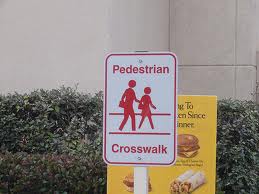
 WBTV recently reported that two young children were killed after being struck by a Sears delivery truck in a fatal trucking accident in Charlotte, North Carolina. On Wednesday, February 22, 2012, police responded to the intersection of Shady Lane and West Tyvola Road after a harrowing accident. Two brother, Jeremy Brewton, 1, and Kadrien Pendergrass, 5, died from injuries they suffered after a Sears delivery truck barreled through the intersection. The delivery truck driver, Dirk Jerome Brown, has been arrested and charged criminally for the incident.
The children were walking with their father, who also had his infant daughter with him. He and his children were walking near the edge of the street, with the father pushing one stroller and Pendergrass, the 5-year-old, pushing the other stroller. The driver was trying to turn right onto West Tyvola Road when he hit the two boys and their father. The young boys were rushed to Carolinas Medical Center, but they were pronounced dead at the hospital. Thankfully, the father and his infant daughter were not hurt in the accident.
Sears released the following statement through its spokesperson, Kimberly Freely: “Our thoughts and prayers are with the family of these two children… We’ve asked our third party delivery company to fully cooperate with local authorities as they investigate this tragic accident.” Apparently Sears contracts with a third party for all of its delivery services. This may be an important aspect should the family of these young boys decide to pursue a civil action against the major corporation for their deaths.
This accident will definitely raise liability issues for the third party delivery company because Brown, the delivery driver, was an employee of the company. Under the doctrine of respondeat superior, an employer can be held vicariously liable for the negligence of its employees if: (1) the employee’s actions were authorized by the employer; (2) the employee’s actions were committed within the scope of and in furtherance of the employer’s business; or (3) the employee’s actions were later ratified by the employer. It is likely that Brown was on his way to a delivery or coming from a delivery when struck the two young boys, which would make it very possible that he was acting within the scope of his employment with the delivery company. As such, the delivery company may be vicariously liable for the wrongful death of the two brothers.
Continue Reading
 Charlotte Injury Lawyers Blog






 Drivers on Interstate 70 in eastern North Carolina were not prepared for what they were going to endure on that early morning drive Monday morning. As drivers were on their morning commute, they were accompanied by a truck carrying an unlikely substance. None of the drivers knew what the unsuspecting truck was carrying until something malfunctioned and the contents of the truck ended up splattered on the road in front of them.