 Charlotte Injury Lawyers Blog








Attorney Matthew R. Arnold answering the question: “Can I wait a few months to pursue a personal injury claim?”
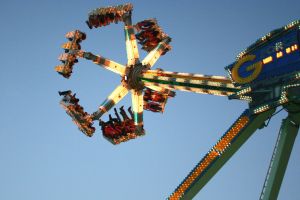
In yet another twist in the ongoing saga of the dangerous Vortex rides at the North Carolina State Fair, police say they have now arrested the owner of one such ride. Authorities say that Joshua Gene Macaroni surrendered to police late last week on three felony assault charges related to the accident that left five riders seriously injured.
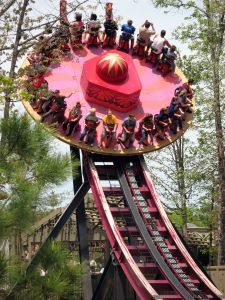 Officials with the Wake County Sheriff’s Office say that Macaroni, a 32-year-old from Georgia, turned himself in to face charges related to the October 24th accident involving the Vortex amusement park ride. Investigators say that as riders were just starting to get off, the ride jolted back to life and ended up dropping five people from heights of up to 30 feet.
Investigators have so far not released word on why they believe Macaroni might be involved in the accident, though they have said that his name is listed as the owner of the Vortex ride at issue. For his part, Macaroni’s attorney has said that he is puzzled about why Macaroni would be charged and says that his client intends to plead not guilty. Macaroni is currently free on $225,000 bond.
The recent arrest marks the second since the accident occurred a few weeks ago. The ride’s operator, an independent contractor named Timothy Tutterrow also from Georgia, was arrested several days after the incident and has also been charged with three counts of assault with a deadly weapon.